Personal Story
I Stopped Throwing Things Away—and Started Fixing Them
One broken appliance changed the way I looked at everyday objects—and turned repair, reuse and sharing into a habit.

I used to think that when something stopped working, replacing it was simply the easiest option.
I used to think that when something stopped working, replacing it was simply the easiest option.
A broken lamp changed that.
Instead of immediately buying another one, I opened it carefully, looked at how the parts were connected and searched for the simplest possible problem. The fault turned out to be small. A basic repair gave the lamp another life.
That repair made me curious.
I started looking differently at other things around me: a loose chair, a damaged cable, an old bag, a fan that needed cleaning, clothes that could be stitched and containers that could be reused.
Not everything could be repaired, and not everything should be. Safety matters. But I realised that many objects are discarded long before they are truly useless.
Repair also changed the way I bought things. I began asking different questions: Can this be maintained? Are replacement parts available? Is it designed to last? Could someone else use it when I no longer need it?
Eventually, repairing became social too. Friends began bringing small items over. We exchanged tools, shared tutorials and learned from one another. Sometimes the best solution was repair. Sometimes it was donating, reselling, repurposing or recycling responsibly.
The biggest lesson was simple: waste often begins before the bin.
It begins with how we design, buy, use and value the things around us.
Repairing one object will not solve the world’s waste problem. But millions of people extending the useful life of millions of objects can change how resources are used.
My first repair was just a lamp. What it really fixed was the way I looked at things.
More Stories
Continue exploring
 Community Story
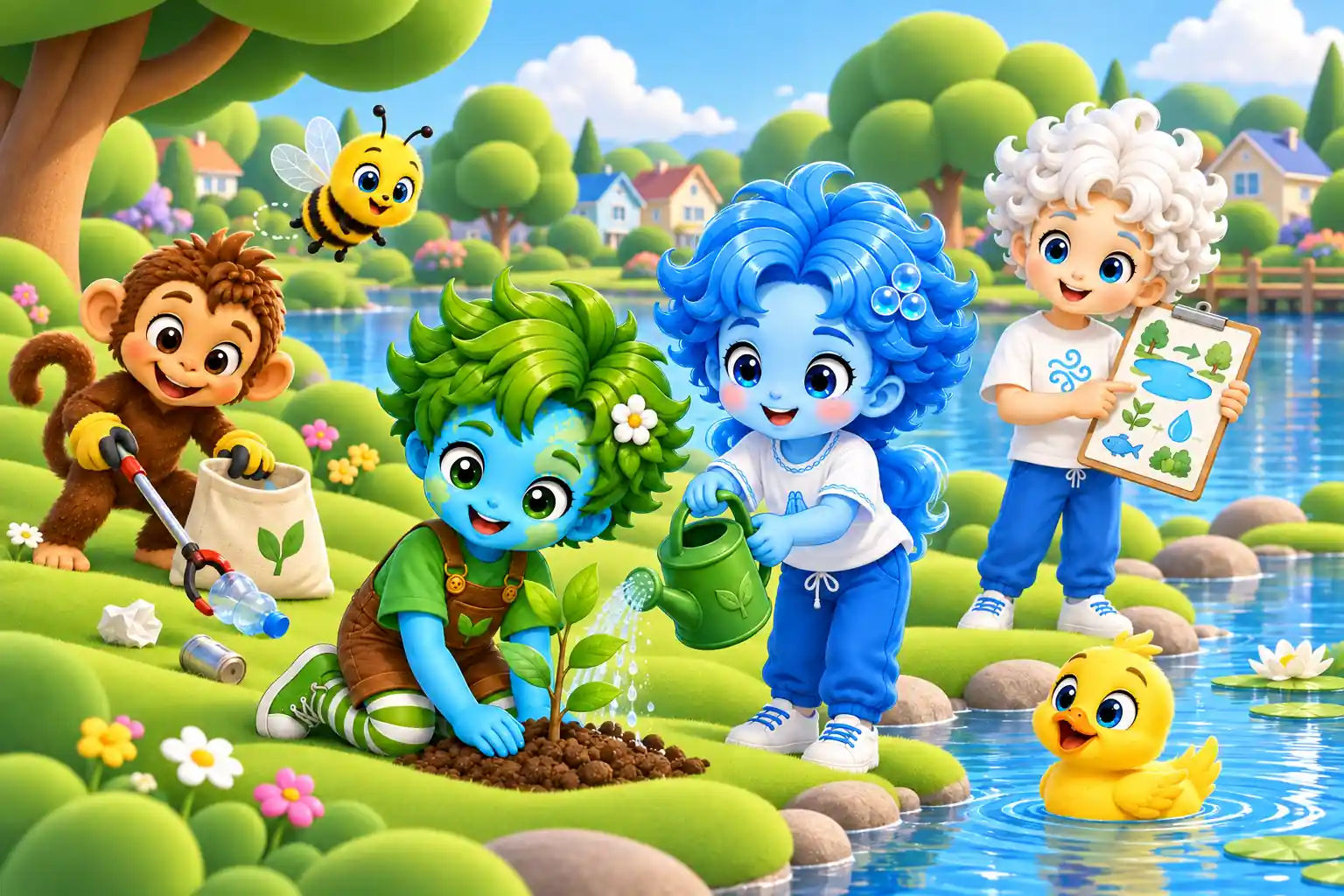
How One Neighbourhood Brought a Forgotten Lake Back to Life
A neglected lake became a shared community project, bringing cleaner water, native plants, wildlife and people back together.
Read Story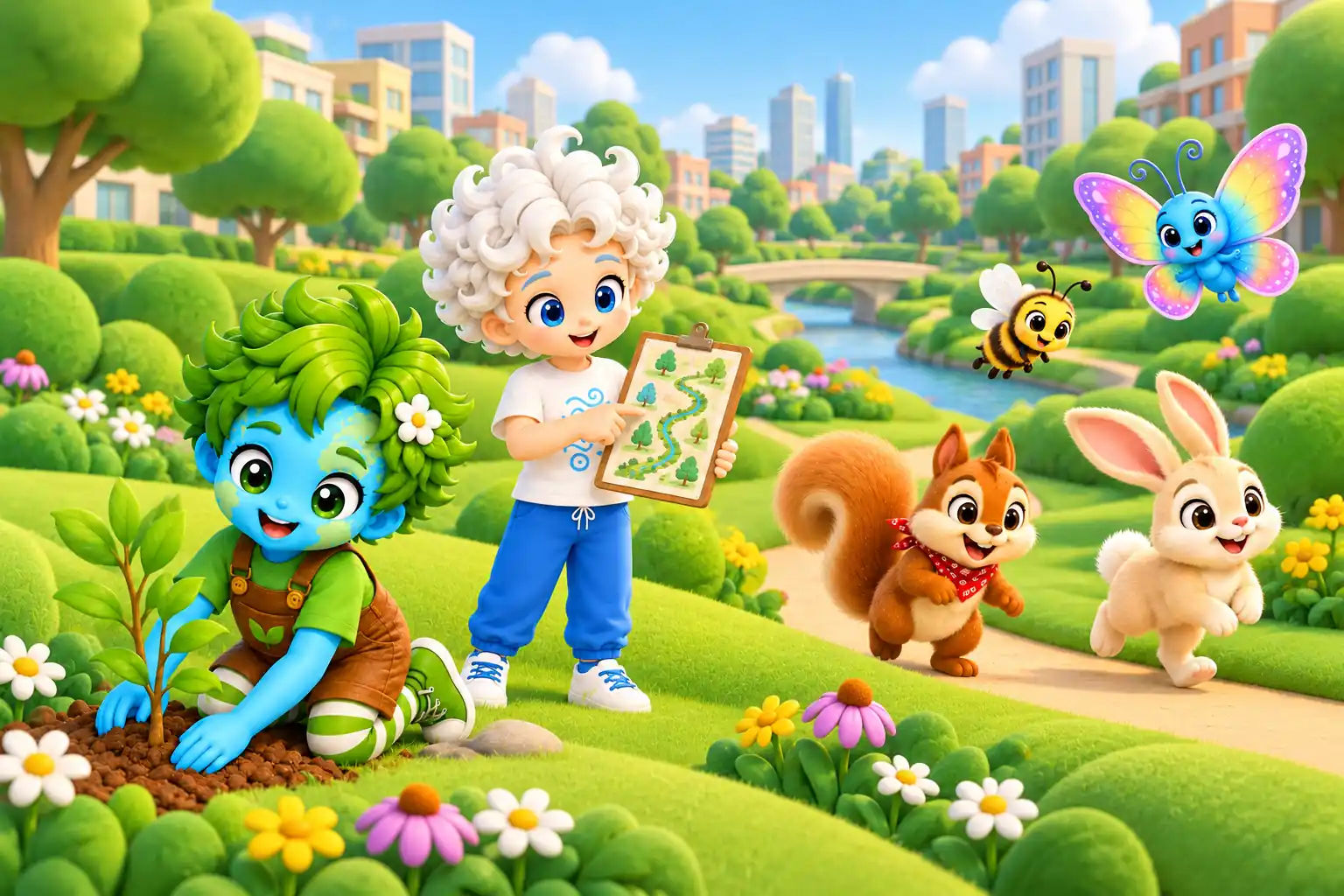 Educational Story
How Tiny Wildlife Corridors Help Animals Survive in Growing Cities
Small green connections between parks and habitats can help birds, insects and other wildlife move through growing cities more safely.
Read Story Field Note
What We Found During a Morning Bird Survey by the River
A quiet morning beside the river showed how much we can learn by slowing down, observing carefully and recording the wildlife around us.
Read Story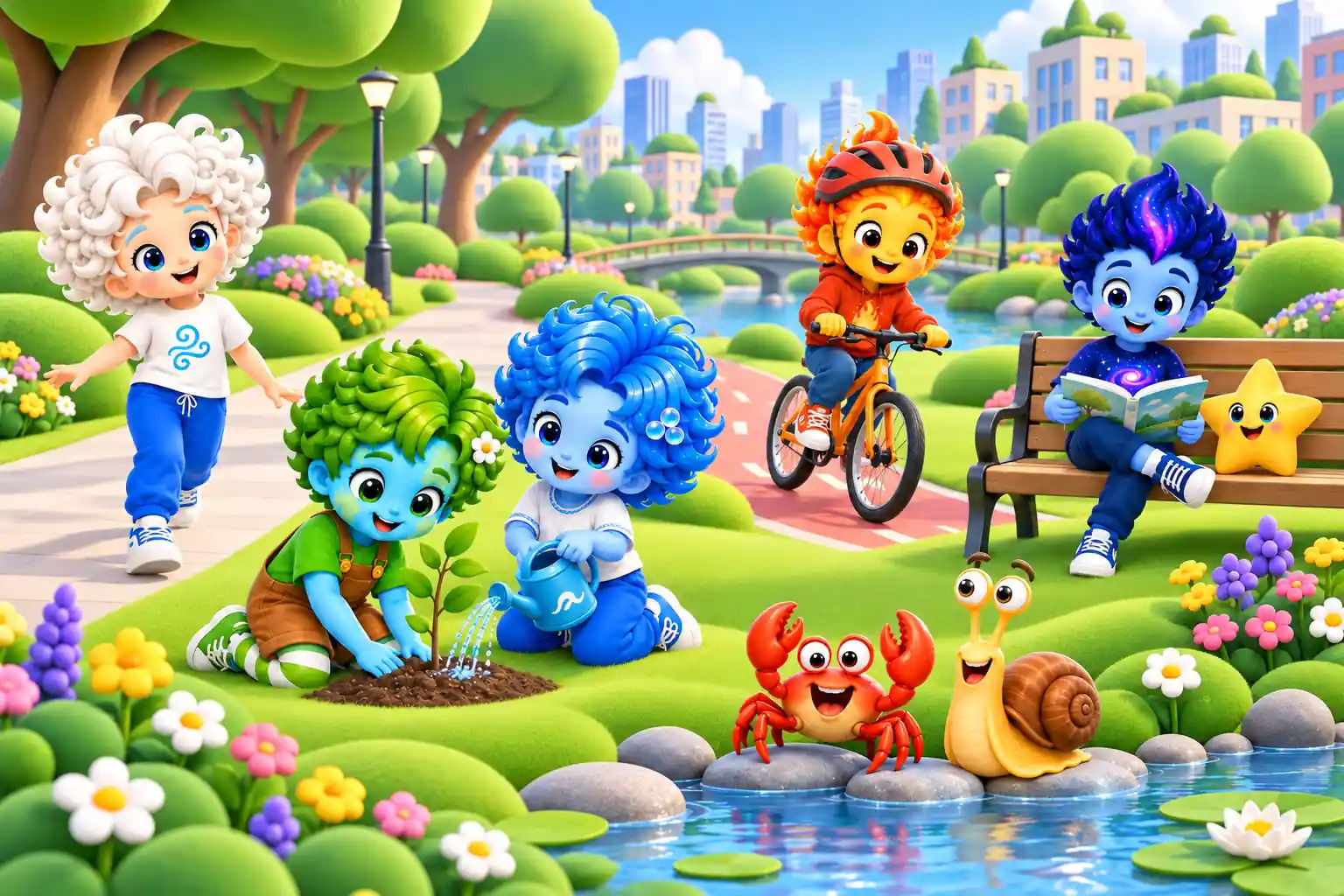 Article
How Greener Cities Can Make Everyday Life Better
Trees, parks, shade and connected green spaces can support cooler streets, wildlife, wellbeing and more welcoming neighbourhoods.
Read Story