Community Story
How One Neighbourhood Brought a Forgotten Lake Back to Life
A neglected lake became a shared community project, bringing cleaner water, native plants, wildlife and people back together.
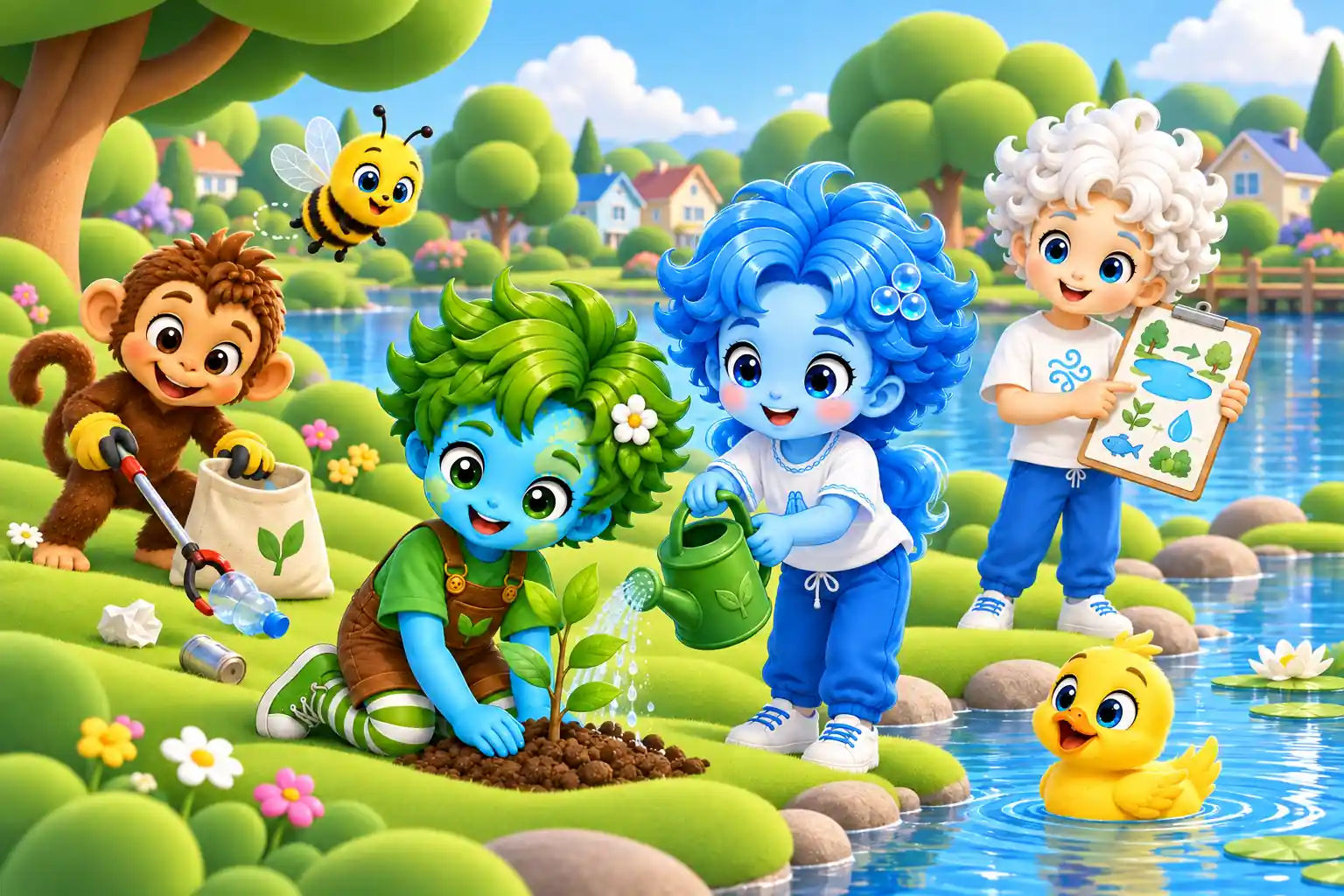
For years, the small lake at the edge of the neighbourhood was easy to ignore. Plastic collected near the banks, invasive plants crowded the water, and fewer birds seemed to stop there each season.
For years, the small lake at the edge of the neighbourhood was easy to ignore. Plastic collected near the banks, invasive plants crowded the water, and fewer birds seemed to stop there each season.
Then a few residents decided to begin with something simple: one community cleanup.
Families, students, local volunteers and nature enthusiasts arrived with gloves, reusable sacks and a willingness to help. They removed litter from the shoreline, documented areas that needed attention and began learning about the plants and wildlife that belonged there.
The cleanup became a habit rather than a one-day event.
Over time, people planted native vegetation around parts of the lake, created small spaces where insects and birds could find food and shelter, and encouraged visitors to leave the area cleaner than they found it. Children helped make signs explaining why wetlands, insects, plants and birds matter.
The biggest change was not only what happened to the lake. It was what happened around it.
Neighbours who had rarely spoken began working together. Students started observing birds and insects. Morning walkers began reporting litter and damaged plants instead of simply passing by. The lake slowly became a place people cared about again.
Restoring nature does not always begin with a massive project. Sometimes it begins when a few people decide that a neglected place is still worth caring for.
A cleaner lake, more native plants and returning wildlife are visible results. But the deeper result is a community that now sees the lake as part of its shared home.
More Stories
Continue exploring
 Personal Story
I Stopped Throwing Things Away—and Started Fixing Them
One broken appliance changed the way I looked at everyday objects—and turned repair, reuse and sharing into a habit.
Read Story Educational Story
How Tiny Wildlife Corridors Help Animals Survive in Growing Cities
Small green connections between parks and habitats can help birds, insects and other wildlife move through growing cities more safely.
Read Story Field Note
What We Found During a Morning Bird Survey by the River
A quiet morning beside the river showed how much we can learn by slowing down, observing carefully and recording the wildlife around us.
Read Story Article
How Greener Cities Can Make Everyday Life Better
Trees, parks, shade and connected green spaces can support cooler streets, wildlife, wellbeing and more welcoming neighbourhoods.
Read Story