Article
How Greener Cities Can Make Everyday Life Better
Trees, parks, shade and connected green spaces can support cooler streets, wildlife, wellbeing and more welcoming neighbourhoods.
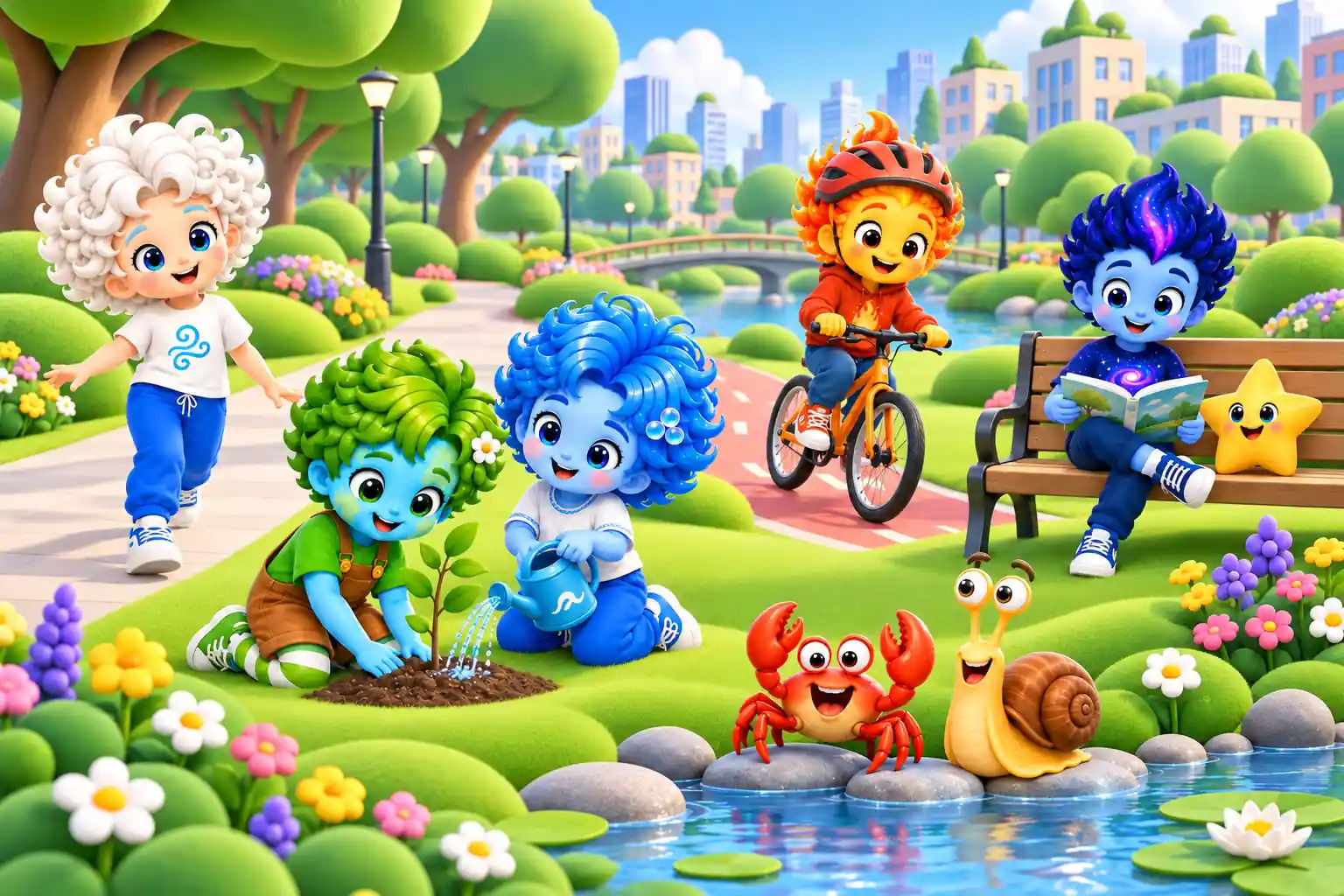
A greener city is about more than adding a few decorative plants.
A greener city is about more than adding a few decorative plants.
Thoughtfully designed urban nature can become part of the infrastructure that makes everyday life more comfortable, resilient and connected.
Trees can provide shade along streets and walking routes. Parks offer places for recreation, rest and social interaction. Vegetation can create habitat for insects and birds while helping connect larger natural areas.
Green spaces can also change how a neighbourhood feels.
A shaded path may make walking more comfortable. A community garden can become a place where neighbours meet. A small pocket park can provide somewhere to sit, play or simply spend a few minutes outdoors.
The quality of green space matters as much as quantity.
Native and climate-appropriate plants can support local biodiversity. Diverse vegetation is often more useful to wildlife than a landscape made from only a few ornamental species. Thoughtful maintenance can also reduce unnecessary resource use.
Access matters too.
The benefits of urban nature are strongest when green spaces are safe, useful and reachable by people across different neighbourhoods—not concentrated in only a few areas.
Greener cities therefore require more than planting campaigns. Urban planners, residents, scientists, designers, businesses and local organisations all have roles to play.
Some changes can be large: restoring rivers, expanding parks or redesigning streets.
Others can be small: planting a tree where shade is needed, adding native flowers to a courtyard, protecting an existing habitat or turning an unused corner into a shared garden.
A city does not stop being a city when it makes more room for nature.
It can become a better one.
More Stories
Continue exploring
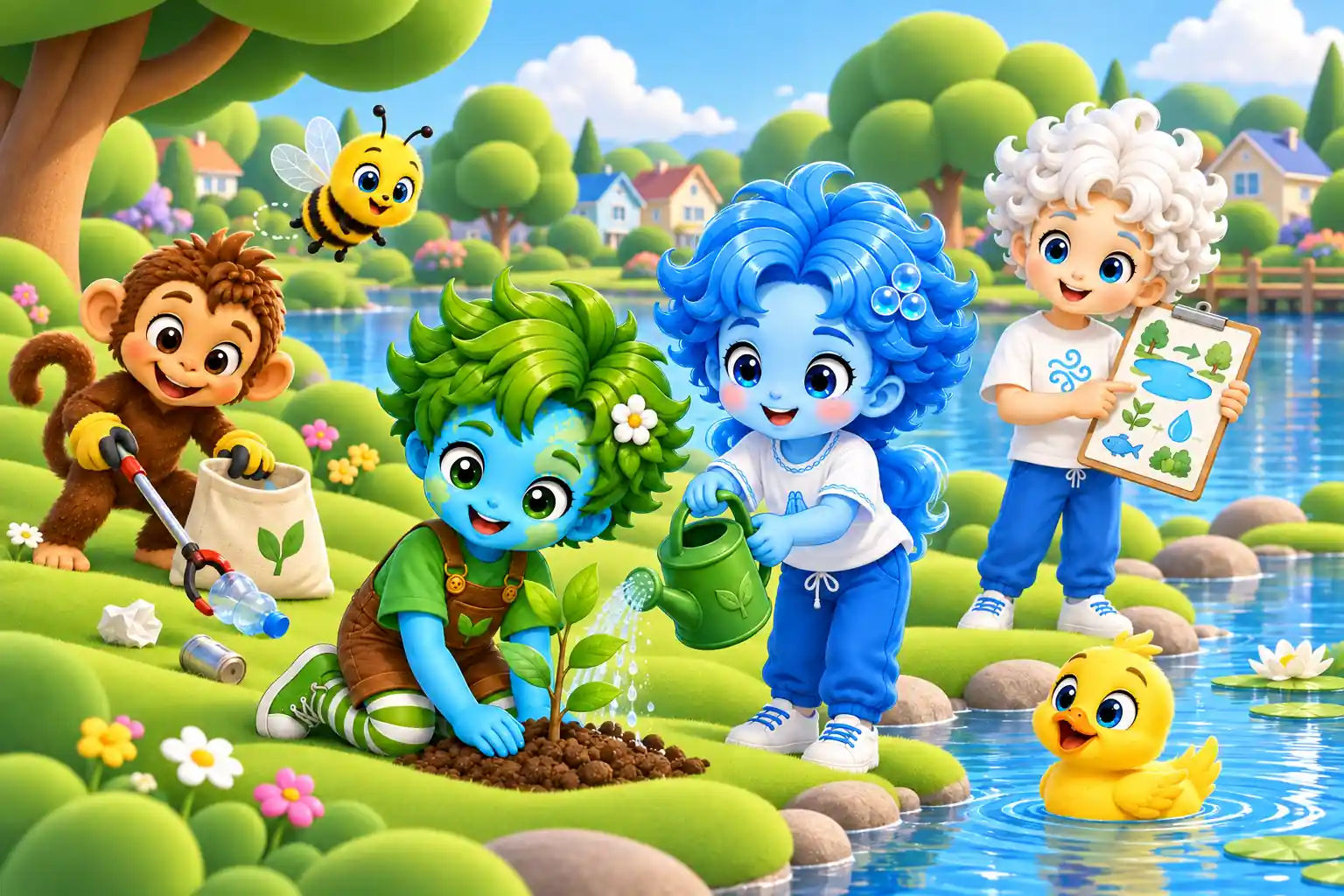 Community Story
How One Neighbourhood Brought a Forgotten Lake Back to Life
A neglected lake became a shared community project, bringing cleaner water, native plants, wildlife and people back together.
Read Story Personal Story
I Stopped Throwing Things Away—and Started Fixing Them
One broken appliance changed the way I looked at everyday objects—and turned repair, reuse and sharing into a habit.
Read Story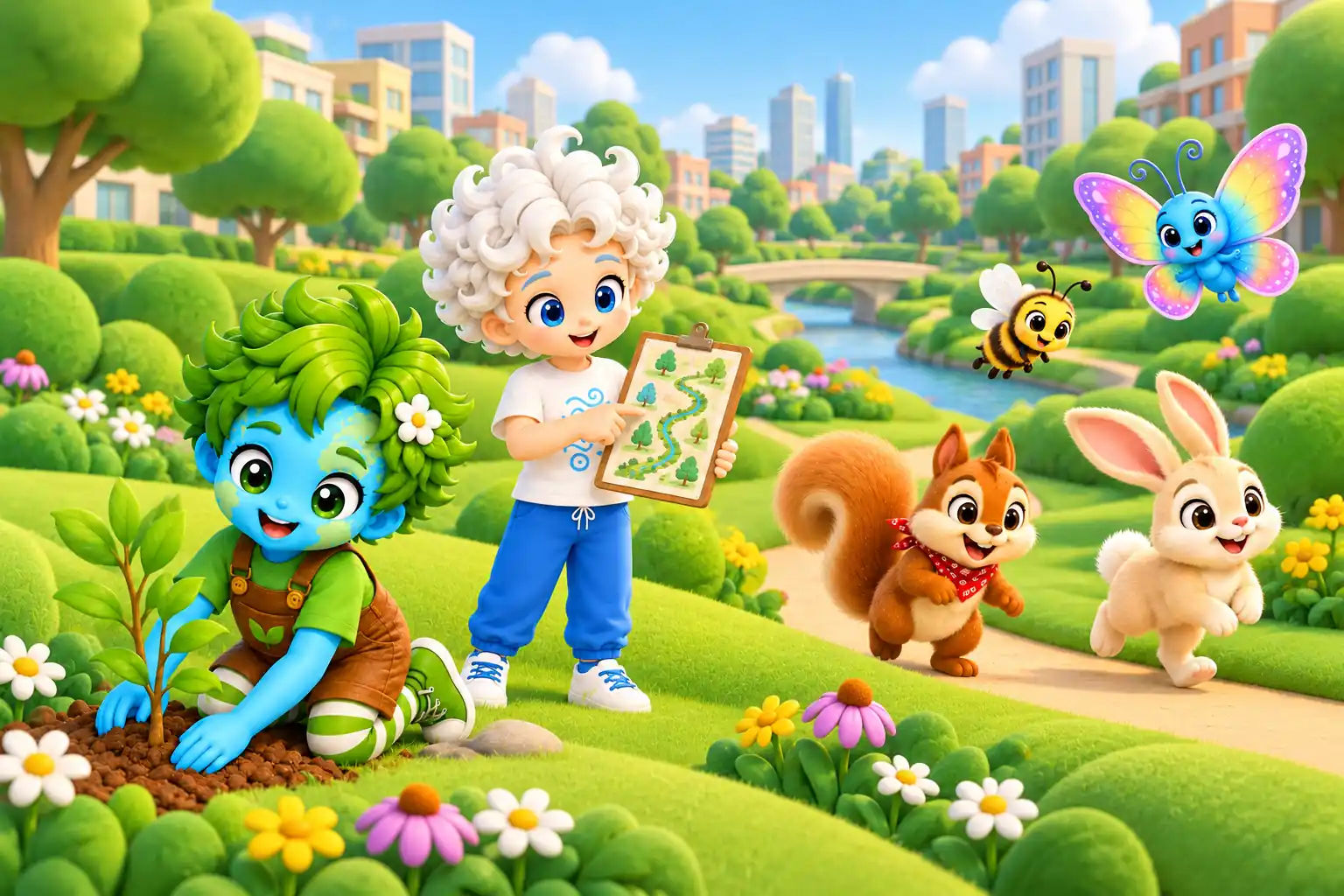 Educational Story
How Tiny Wildlife Corridors Help Animals Survive in Growing Cities
Small green connections between parks and habitats can help birds, insects and other wildlife move through growing cities more safely.
Read Story Field Note
What We Found During a Morning Bird Survey by the River
A quiet morning beside the river showed how much we can learn by slowing down, observing carefully and recording the wildlife around us.
Read Story